
Cookie Preferences

By clicking, you agree to store cookies on your device to enhance navigation, analyze usage, and support marketing. More Info
Thank you! Your submission has been received!
Oops! Something went wrong while submitting the form.


The Background:
Over the past two decades, diagnostic rates for adult ADHD have roughly doubled, and stimulant prescriptions in the United States skyrocketed by more than 50% between 2012 and 2023, particularly among girls and women. While these medications help many individuals manage their symptoms, a landmark 2026 article published in European Neuropsychopharmacology tackles an important question that is rarely discussed: When should doctors and patients consider stopping them?
The Discussion:
To answer this, the American Society of Clinical Psychopharmacology (ASCP) gathered a task force of 45 international experts spanning 12 countries. Through a rigorous evaluation process, they reached an overwhelming agreement on a framework for "deprescribing", the planned, supervised reduction or cessation of a medication. Here are the core insights from these ground-breaking guidelines and what they mean for adults navigating long-term ADHD treatment.
When the Treatment Isn’t Yielding Benefits
One of the most straightforward reasons to consider stopping a stimulant is if it simply isn’t doing its job. The task force agreed that if a patient does not experience an optimal response, measured by actual symptom reduction, improved daily functioning, and a better quality of life, even after trying a high, optimized dose, it may be time to step back and look at alternative options.
Sometimes, the issue goes back to the initial evaluation. The criteria for diagnosing ADHD have expanded over the years, and brief psychiatric evaluations can occasionally lead to diagnostic inaccuracies. If a thorough reevaluation reveals that the original ADHD diagnosis was incorrect, the expert consensus is clear: stimulant deprescribing is appropriate unless another stimulant-responsive condition is evident. Furthermore, if a patient develops a persistent tolerance to the drug that cannot be resolved by safe dose adjustments, a temporary taper or drug holiday may be recommended.
When the Risks to Health Outweigh the Rewards
Our bodies and health needs naturally shift over time, meaning a medication that worked safely years ago might pose a threat to your health today. The experts concluded that deprescribing should be heavily considered if stimulants exacerbate a concurrent medical or psychiatric illness. For example, although rare, stimulants can unintentionally trigger mania or psychosis in adults with unstable or unrecognized comorbid bipolar disorder.
Physical health developments are equally critical. If an adult develops a newly arising or unstable cardiovascular condition, such as a cardiac arrhythmia, ischemia, or cardiomyopathy, the risk-benefit balance changes dramatically. Additionally, if severe side effects occur that cannot be managed by reducing the dosage, or if dangerous new drug-drug interactions emerge, stopping the medication under medical supervision protects the patient's long-term well-being.
Addressing Misuse and the Complex Role of Cannabis
Because stimulant medications target brain reward and wakefulness circuitry, they can foster a propensity for misuse. Studies indicate that more than 1 in 5 adults prescribed stimulants have misused them, and 1 in 6 have diverted their medication to others. The task force emphasizes that deprescribing is warranted if a patient persistently takes doses higher than prescribed against medical advice, uses the medication purely for unauthorized performance enhancement, or has an untreated, coexisting substance use disorder.
And what about cannabis? This topic sparked the most debate among the experts, falling just short of an official consensus with 71% agreement that regular cannabis use alone shouldn't automatically trigger a stimulant stoppage. Recognizing the complexity, such as how chronic cannabis use can overlap with ADHD executive function deficits, the task force proposed a structured monitoring approach instead of an immediate cutoff. Clinicians are encouraged to track the patient every 1 to 3 months using standardized symptom tools and random urine drug screens to verify whether cannabis use is actively neutralizing the stimulant's therapeutic benefits.
The Path Forward: Safe Tapering and Lifestyle Support
If you and your doctor decide that stopping a stimulant is the right path, it shouldn’t happen overnight. The task force strongly recommends that medications be gradually tapered off at a rate tailored to the individual to minimize potential disruptions and distinguish between transient withdrawal and a true return of ADHD symptoms.
Crucially, stopping a medication doesn't mean stopping treatment. The experts highlight that the success of any deprescribing plan is significantly enhanced when patients focus on optimizing modifiable lifestyle factors. Prioritizing sleep hygiene, staying physically active, and implementing structured behavioral strategies can support executive functioning and help sustain your cognitive gains even as the medication is reduced or eliminated.
The Takeaway:
The decision to continue or stop an ADHD medication is a deeply personal one that requires balancing real-world efficacy, safety, and individual health changes. These new consensus recommendations provide an essential roadmap to help adults navigate their long-term mental health journeys safely and effectively.
Are you or a loved one currently evaluating your long-term relationship with ADHD medication? Consider scheduling a check-in with your healthcare provider to discuss whether your current treatment plan still perfectly matches your health needs today.
Goodman, D. W., Mago, R., Citrome, L., Swartz, H. A., McIntyre, R. S., Freeman, M. P., Clayton, A. H., Kasper, S., Vieta, E., Williams, A. R., Frye, M. A., Gitlin, M. J., Cohen, L. J., Correll, C. U., Gorwood, P., Iosifescu, D. V., Jha, M. K., Kupka, R., Macaluso, M., . . . Goldberg, J. F. (2026). The American Society of Clinical Psychopharmacology task force consensus statement on the deprescribing of stimulant medications in adults with ADHD. European Neuropsychopharmacology, 111,. https://doi.org/10.1016/j.euroneuro.2026.112863


Persons with ADHD have known to have high rates of psychiatric comorbidities. There is also growing evidence of somatic (non-psychiatric) comorbid disorders among youths with ADHD, such as metabolic syndrome (which can lead to type 2 diabetes) and chronic inflammation (such as asthma and allergic rhinitis). Much less is known, however, about comorbid conditions in adults with ADHD.
An international team of researchers looked for indicators of comorbid conditions in a nationwide cohort study using Swedish national registers. The target population was Swedish residents between the ages of 18 and 64 in 2013 and more specifically those who had been prescribed ADHD medication. They identified over 41,000 individuals who met these criteria, including over twenty thousand young adults aged 18-29 years, over sixteen thousand middle-aged adults aged 30-49 years, and over four thousand older adults aged 50-64. The remainder of the overall cohort were used as controls.
Young adults receiving ADHD medications were four times as likely to also be receiving somatic medications, and older adults were seven times as likely. The highest rate of co-medication -roughly five times more frequent than among controls - was for respiratory system medications. The second most common was for alimentary tract and metabolic system medications, with odds over four times higher than for controls. Cardiovascular system medications were the next most common, with odds among young adults receiving ADHD medications over four times those of controls, though reducing with age to being twice as common in older adults with ADHD. Patterns were similar among men and women.
Adults receiving ADHD medications were far more likely to also be receiving other psychotropic medications. Middle-aged adults were 21 times as likely to be dispensed such medications as controls, older adults eighteen times more likely, and younger adults fifteen times more likely.
For young adults prescribed ADHD medications, the most prevalent co-prescriptions were for addictive disorders, which were dispensed at over 26 times the rate for controls. For middle-aged and older adults, on the other hand, the most prevalent co-prescriptions were for antipsychotics, which were likewise dispensed at over 26 times the rate for controls. Results remained consistent for individuals who had an ADHD diagnosis in addition to an ADHD prescription.
In addition, individuals receiving ADHD medications were also on average taking more types of prescriptions, rising from 2.5 classes of medications at age 18 to five classes at age 64. For controls, the equivalent numbers were 0.9 types of medications at age 18, rising to 2.7 at age 64.
Looking at specific somatic medications prescribed, those for respiratory conditions were ones typically prescribed for asthma and allergic reactions, reinforcing a previously known association. Insulin preparations also had high rates of co-prescription, again further confirming the known association with obesity and diabetes.
On the other hand, the most commonly dispensed alimentary tract and metabolic system medications included proton pump inhibitors, typically prescribed for gastric/duodenal ulcers and gastroesophageal reflux disease. Sodium fluoride, prescribed to prevent dental caries, was also prominent. Neither of these is an established association and warrants further exploration.
Turning to psychotropic medications, the most frequent prescriptions were with drugs used to treat addictive disorders and with antipsychotics. Rates of opioid co-prescription were also notably high, a source of concern given the higher proclivity of persons with ADHD to substance use disorders.
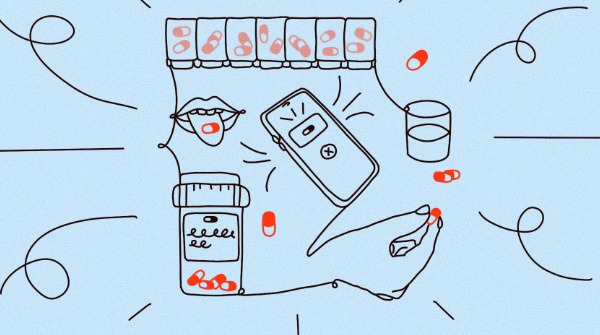
This research study investigates the consistency of medication adherence among adolescents and young adults diagnosed with ADHD. Conducted at Auburn University in Alabama, researchers recruited 54 college students to address this question. All had previously been diagnosed with ADHD. All lived independently, and all were taking prescribed ADHD medication. Students with severe comorbid psychiatric conditions were excluded. Three students dropped out, leaving a final sample size of 51.
The Study:
Each student completed a total of four half-hour assessments, scheduled at monthly intervals. At each first assessment, researchers counted the participant's ADHD medication pills and transferred them to an electronic monitoring bottle-a bottle with a microchip sensor in the cap that automatically tracks the date and time of every opening. This enabled them to compare students' subjective estimates at subsequent assessments with the objective evidence from pill counts and the data output from the electronic monitoring bottles.
The Results:
Overall, students reported missing about one in four (25 percent) of their prescribed doses. But the objective measures showed they were skipping closer to half their doses. According to pill counts, they were missing 40 percent of their doses, and according to the electronic monitoring bottles, 43 percent. The odds of obtaining such a result due to chance with a sample of size were less than one in a hundred (p < 0.01).
In other words, college students with ADHD significantly overestimate their adherence rates to their medications. The authors concluded, "without additional strategies in place, expecting adolescents and young adults with ADHD to remember a daily task that requires no more than a few seconds to accomplish, such as medication taking, is unrealistic. They suggest using smartphone reminder applications ("apps") and text messaging services.
Conclusion:
The authors point out that this study had a small sample size and that interpretations should be considered with caution. Moreover, the study was not randomized. Students responded to advertisements posted on campus, and thus self-selected. Pending the outcome of larger studies with randomization, the authors suggest that wherever possible, prescribing physicians adopt objective measures of medication adherence, as an aid in ensuring greater efficacy of treatment.

Quality of life (QoL) is defined as a person’s satisfaction with their life, measured across several dimensions including psychological, social, health, biological, and economic wellbeing. For adults, these are usually self-reported. In children and adolescents, they tend to be reported indirectly through parent- or caregiver questionnaires.
Medications for ADHD include stimulants (methylphenidate and amphetamines) and non-stimulants (e.g., atomoxetine, clonidine, guanfacine, viloxazine). As QoL is related to ADHD symptoms’ severity, management of ADHD via medication could improve not only core symptoms but also QoL in people with ADHD.
Noting the absence of meta-analytic evidence on the effects of ADHD medications on QoL, an international research team conducted a systematic review and meta-analysis of parallel or cross-over randomized clinical trials (RCTs) to estimate the effects of ADHD medication on QoL. They also performed secondary analyses to see if these effects differed in children and adolescents versus adults, as well as by class of medications, and if they were moderated by length of treatment.
Meta-analysis of four RCTs with a combined total of 950 participants with ADHD (45% adults) found a medium effect size improvement among those receiving amphetamines by comparison with those receiving placebo. There was no sign of publication bias, but there was wide variation (heterogeneity) in effect size estimated among the studies.
Meta-analysis of four RCTs with a combined total of 1,094 participants with ADHD (57% adults) found a small-to-medium effect size improvement among those receiving methylphenidate by comparison with those receiving placebo. Again, there was no sign of publication bias, but wide variation in effect sizes among the studies.
The team could not explore whether length of treatment with the stimulants methylphenidate or amphetamines affected the results, or a subgroup analysis to test any differences in effects on QoL between children/adolescents and adults, since less than ten studies were included in each of the meta-analyses.
Finally, meta-analysis of eleven RCTs with a combined total of 3,344 participants with ADHD (63% adults) likewise found a small effect size improvement among those taking atomoxetine compared with those receiving placebo. Once again, there was no sign of publication bias, but wide variation in effect sizes among the studies.
With more than ten studies, the team was able to establish that for atomoxetine treatment, length of intervention – the studies ranged from 6 to 24 weeks – had no significant moderating effect. Similarly, they found no significant differences in effect on children and adolescents versus adults.
A single RCT evaluating modafinil (a less addictive stimulant) treatment in adults found no improvements at any dose, whereas a single RCT testing non-stimulant guanfacine reported a medium effect size improvement in QoL.
The team concluded, “Overall, we found that methylphenidate, amphetamines, and atomoxetine were significantly more efficacious than placebo in improving QoL in people with ADHD. For atomoxetine, efficacy was significantly detected regardless of length of intervention or participant age ... our study demonstrated that, besides being efficacious in reducing ADHD symptomatology, stimulant and non-stimulant medications are effective in improving QoL in children, young people, and adults with ADHD, albeit with smaller effects compared those found for ADHD core symptoms severity. We found a medium effect for amphetamines and methylphenidate (both stimulant medications), and a small effect for atomoxetine (a non-stimulant).”

The Background:
Previous research has suggested that people with ADHD have higher rates of death than those without the condition. Until now, many of those studies lacked the detail needed to untangle why this might be the case. A recent meta-analysis of eight separate studies reported that ADHD roughly doubled the risk of death, and it hinted that factors like socioeconomic status and other mental illnesses might help explain the link.
The Study:
To explore this in more detail, researchers used the US National Health Interview Survey, a nationally representative prospective cohort of just over 52,000 adults. Survey records were linked with the National Death Index, and participants were followed from the date of interview until death or December 31, 2019, whichever came first. The main outcome was death from any cause. With a median follow-up of just under eight years, there were 6,024 deaths recorded.
When the team adjusted their analysis for age, sex, ethnicity, and the year of the survey, having ADHD was associated with a 58% higher risk of death. Controlling further for family income and educational level reduced that increased risk slightly, to 50%.
Controlling for health conditions (like high blood pressure, diabetes, stroke, heart disease, and cancer) and lifestyle factors (smoking, alcohol use, physical activity, and body weight) also reduced the association to about 46%.
By contrast, when the researchers adjusted for two psychiatric conditions (anxiety and depression) commonly found alongside ADHD, the link between ADHD and higher mortality disappeared statistically. In other words, once anxiety and depression were taken into account, ADHD itself was no longer associated with a clearly measurable increase in the risk of death.
What Does This Mean?
The authors conclude that the apparent effect of ADHD on mortality seems to operate largely through accompanying mental illness, and to a lesser extent through lifestyle and physical health problems. They suggest that treating and managing these co-occurring issues (through medications, therapy, and behavioral interventions) might help reduce the risk of premature death in people with ADHD, although they note that further evidence is needed.

The Background:
Dementia is a rapidly growing public health problem affecting more than 50 million people worldwide. Nearly 10 million new cases are diagnosed each year, and that number is expected to almost triple by 2050. The most common form is Alzheimer’s disease, accounting for roughly 60–70% of cases, followed by vascular dementia at around 20%. Other types include dementia with Lewy bodies, Parkinson’s disease dementia, and frontotemporal dementia. While no cure exists, managing modifiable risk factors (such as high blood pressure, smoking, physical inactivity, and poorly controlled diabetes) can delay or slow both the onset and progression of the condition.
Several studies have reported an elevated dementia risk among people with ADHD, and a number of mechanisms may explain this association. These include shared genetic or neurobiological vulnerabilities, reduced cognitive reserve (leaving the brain less resilient to age-related damage), and greater lifetime exposure to other established dementia risk factors.
Earlier reviews explored the possible link between ADHD and dementia, but tended toward a broader scope (incorporating other neurodegenerative disorders or mixing study designs), which introduced substantial variability and precluded quantitative synthesis. The relevant research literature has also expanded considerably since those reviews appeared.
The Study:
This meta-analysis restricted inclusion to case-control and cohort studies, yielding five that met the criteria. One was a case-control study with 400 participants; the other four were cohort studies collectively covering 3.7 million individuals, two retrospective and two prospective.
The Results:
Pooling the four cohort studies, individuals with ADHD showed approximately two-and-a-half times the dementia risk of those without the diagnosis. There was no indication of publication bias.
The Take-Away:
The authors concluded that ADHD is associated with a significantly increased risk of all-cause dementia in later life, while noting that its relationship to specific dementia subtypes remains less clear and warrants attention in future research.
.png)
The Background:
Women with polycystic ovary syndrome (PCOS) themselves show higher rates of ADHD. Because ADHD is partly heritable (meaning genes contribute to the condition), some of the increased ADHD seen in children of mothers with PCOS could come from shared genetic factors. In other words, a mother’s and her child’s increased risk might sometimes reflect common genes rather than an effect of the pregnancy itself.
Beyond genetics, growing evidence points to maternal metabolic problems during pregnancy as another important risk factor for neurodevelopmental outcomes. PCOS is one of these conditions and is considered both potentially modifiable (treatable or manageable) and biologically plausible as a contributor to risk. PCOS affects an estimated 5–10% of women of reproductive age worldwide and is characterized by signs such as hyperandrogenism (higher-than-normal levels of “male” hormones), insulin resistance (poorer ability to use the hormone insulin, which can affect blood sugar and metabolism), and chronic low-grade inflammation.
However, studies to date have not all reached the same conclusions. Some research suggests the association between maternal PCOS and offspring ADHD is stronger for girls, while other studies did not analyze results by child sex. Methodological differences make it harder to draw clear conclusions.
The Study:
It’s important to note that the studies included in this meta-analysis were observational (cohort studies and case-control studies). Observational studies can identify associations (that two things occur together) but cannot prove that one causes the other. A cohort study follows people over time, and a case-control study compares people with a condition to similar people without it.
The pooled results came from six studies that together included almost 1.4 million mother–child pairs and that adjusted for confounders (other factors that might influence the result, such as maternal age or socioeconomic status). After statistical adjustment, children of mothers with PCOS had about 40% greater odds of ADHD than children of mothers without PCOS. The analysis reported no evidence of publication bias (no clear sign that only positive studies were published) and zero heterogeneity (the results were consistent across the studies).
There was no meaningful difference in results between cohort and case-control studies, and the meta-analysis did not find a significant difference in the association when comparing male and female offspring.
The Take-Away:
The research team concluded that this large-scale synthesis found an association between maternal PCOS and higher odds of ADHD and other neuropsychiatric conditions in children. They suggested that children born to mothers with PCOS may benefit from developmental monitoring to identify and address problems early, while emphasizing that causal relationships have not been established. They called for further studies to confirm these findings and to investigate the biological and environmental mechanisms that might explain the association. Indeed, because women with PCOS show higher rates of ADHD than other women, we need genetically informed research designs to see if the reported association is confounded.


_logo%201.svg)
